
2025
Short-term target
33.5% scope 1 & 2 reduction
15.7% scope 3 reduction
We’re committed to achieving net-zero by 2040. From the ingredients in our meals to the way we make, pack and deliver them, we’re taking action across our business to reduce emissions and make better use of resources.
Our commitment
Our journey began in 2020, when we mapped our business carbon footprint and set clear targets to reduce our greenhouse gas emissions.
We’ve set targets for 2025, 2030 and 2040, giving us clear milestones to measure our progress and drive action now, rather than waiting for the future.
Our 2025 short-term target keeps us focused on immediate action. Our 2030 near-term target sets the next milestone on our journey. And our 2040 long-term target sets out our commitment to achieving net-zero.
Our footprint
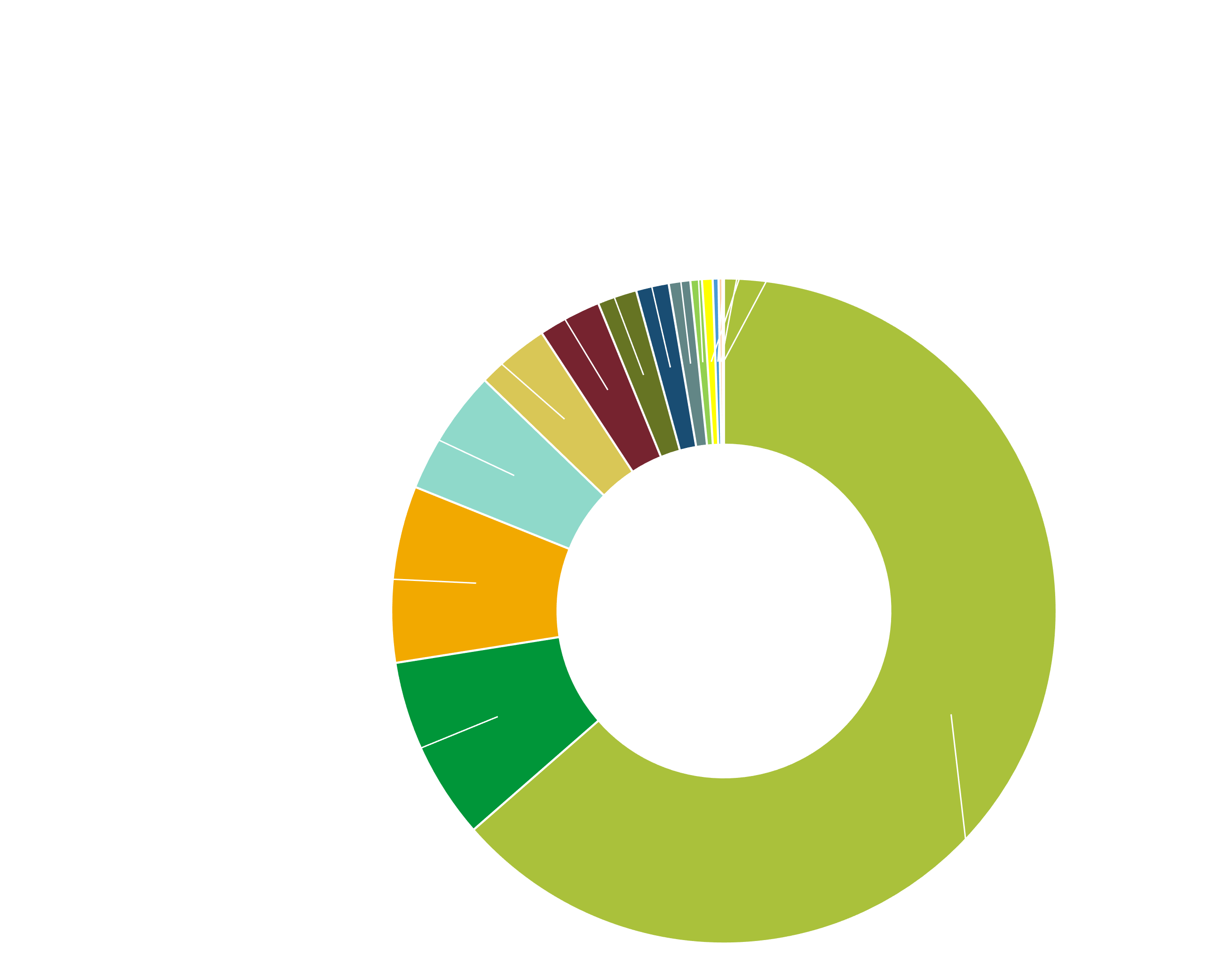
Understanding where our emissions come from helps us focus our efforts where they can have the greatest impact. We measure our carbon footprint across Scope 1, Scope 2 and Scope 3 emissions.
Around 70% of our business emissions come from food, making the ingredients we source and the recipes we develop a key focus for reducing our carbon footprint.
Ingredients
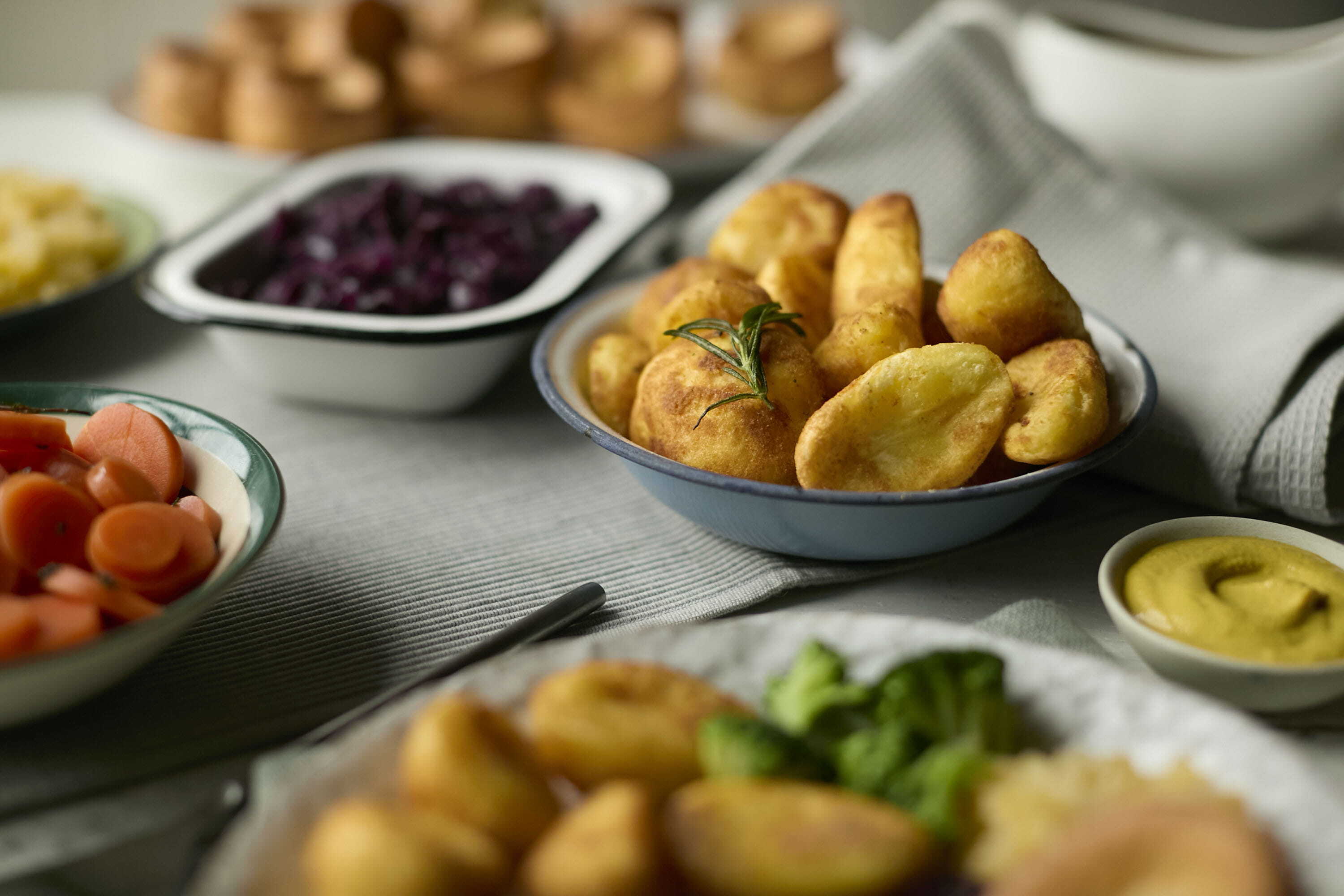
Reducing our impact starts with what goes into our meals. We work with suppliers who share our commitment to reducing emissions, prioritising those with science-based targets, particularly for higher-impact ingredients such as animal proteins.
All fish used in our Wiltshire kitchen is sustainable, as specified by the Marine Conservation Society, and 100% of the wild fish we source comes from fisheries independently certified to the Marine Stewardship Council standard.
Operations
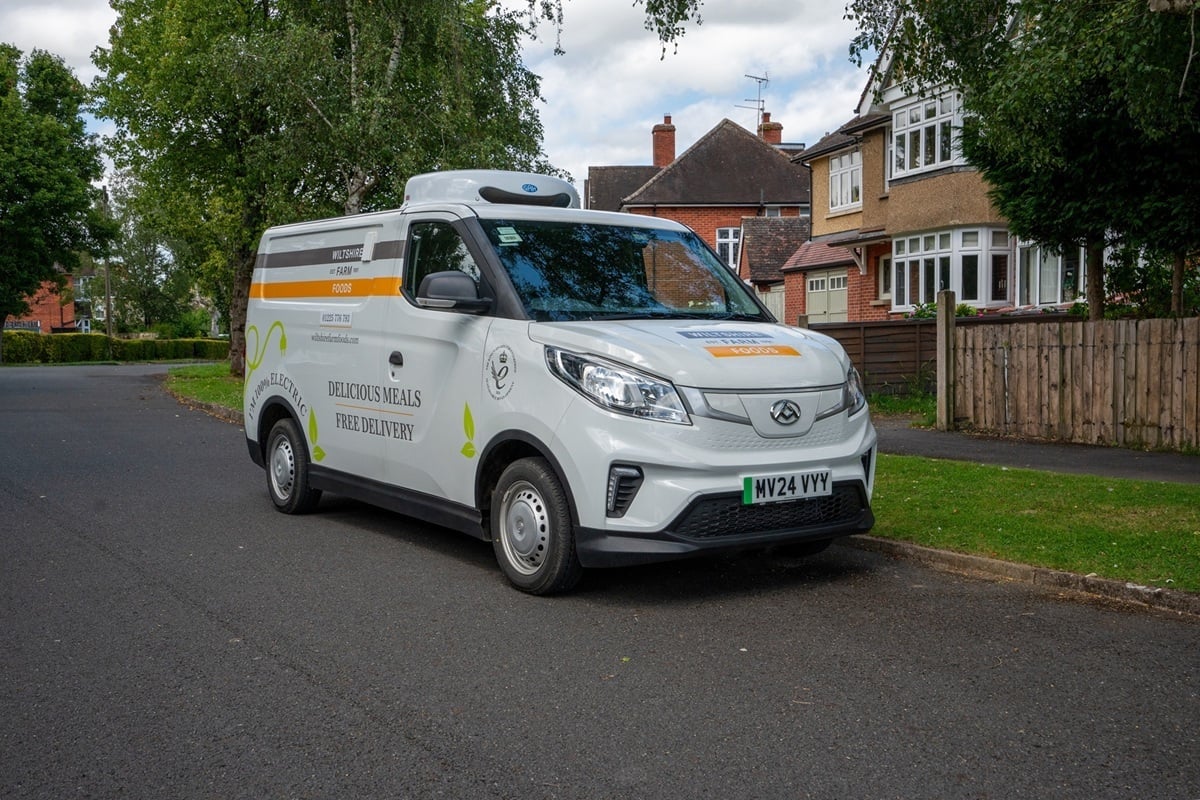
Reducing our operational footprint means investing in better ways of working. From renewable energy at our Trowbridge kitchens to an industry-first refrigerated electric delivery fleet, we’re making significant changes to how our business operates.
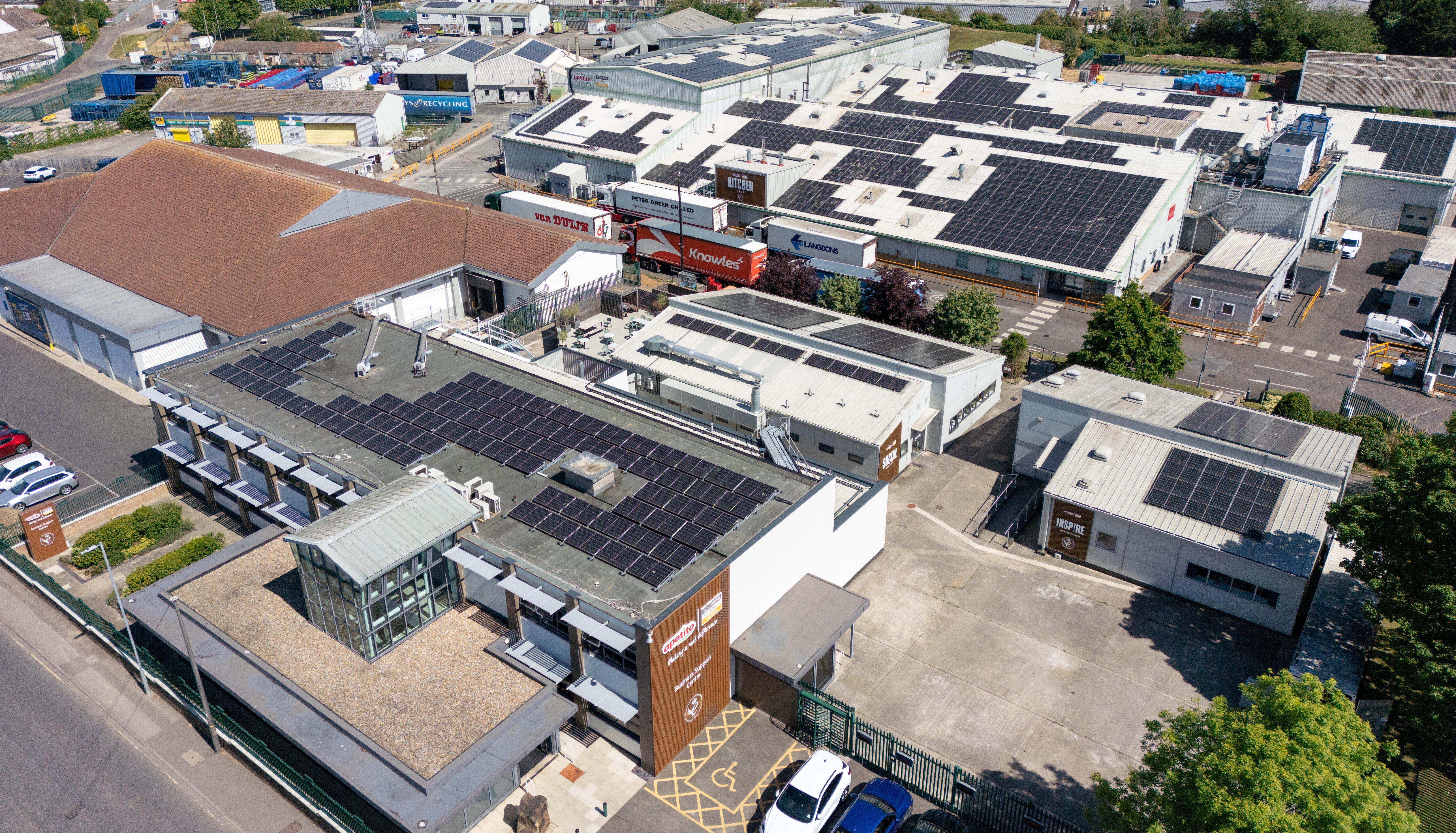
A £1.3 million investment has brought solar panels to every roof across our Trowbridge production facility, alongside 43 solar car ports.
Together, they now generate 15% of our electricity and are estimated to save 245 tonnes of CO₂e each year.
We’ve invested £14.3 million in developing an industry-first refrigerated electric delivery fleet for Wiltshire Farm Foods. With over 200 electric vehicles now on the road, 75% of customer delivery rounds are electrified nationwide, helping to save over 1,000 tonnes of CO₂e each year.
It may be common to see electric vehicles on the road today, but the technology required to meet the challenging demands of our frozen fleet required a truly pioneering approach. To help power this progress, many of our vans feature specialist enhancements, including roof-mounted solar panels that generate additional power whilst on the move.
Packaging
At apetito, we are conscious of our responsibility to use materials carefully, reducing material use, improving recyclability and using recycled materials wherever appropriate. Our packaging decisions are guided by a whole-life, evidence-led approach.

What really sets our approach apart is Project Boomerang — our world-first closed-loop recycling scheme for our PET meal trays.
Customers return their used trays through our existing delivery network where they are sent to our recycling partner and made into new trays - creating a closed loop that keeps valuable material in use.
More than 55 million trays have already been returned and recycled through Project Boomerang, supporting a more circular approach to packaging and reducing reliance on virgin materials.
Making Project Boomerang possible meant addressing regulatory barriers that stood in the way. We worked with government and regulators to help change legislation so used trays could be collected from customers and recycled safely through our closed-loop system.
That work helped turn an ambitious idea into a practical solution that can make a difference at scale.

Recipes
Great food, nutrition and choice remain at the heart of our menus. We’re finding ways to deliver all three with a lower carbon impact through recipe reformulation, ingredient substitution, new dishes and reduced-carbon menus.
In winter 2024, for example, we introduced our first wild venison dishes. Venison provides a more sustainable alternative to traditional red meats while also being lean and rich in protein, iron and vitamins.
In 2021, we launched the NHS’s first reduced-carbon menus, giving hospital caterers a practical way to reduce emissions associated with mealtimes.
By giving greater prominence to poultry, fish and plant-based dishes, we can encourage lower-carbon choices while maintaining the variety patients expect. Since launch, this approach has reduced average healthcare emissions per portion by 18%.
The way we present meals can help customers make lower-carbon choices. By giving fish and white-meat dishes greater prominence and changing the positioning and promotion of red-meat dishes, trials delivered a 1.5% incremental reduction in carbon emissions per unit, with no negative impact on sales.
This approach is now being introduced across Wiltshire Farm Foods brochures, helping to make lower-carbon choices easier for more customers.
ESG
From measurable targets to verified sourcing, we can support your own ESG and procurement requirements.